

Your home’s drainage system is like the quiet backstage crew at a concert – you only notice it when things go horribly wrong. But unlike a busted microphone, a failing drainage setup can flood your garage, stink up your yard, or even crack your foundation. The good news? Your drains send clear distress signals long before disaster strikes.
Ignoring these signs is like ignoring a ticking noise in your car engine – cheap to fix now, catastrophic later. Here’s how to spot the red flags screaming, “Call a drainage pro, mate!”
Key Takeaways:
- Slow drains = big trouble brewing
- Puddles that won’t quit? Your stormwater’s on strike.
- Sewer smells or gurgles mean blockages are choking your pipes.
- Cracks in walls/paths often trace back to water damage.
- DIY fixes fail fast – pros fix it for good.
1) Slow-Motion Drains (Every. Single. Time.)

What’s happening:
Imagine rinsing a single spoon, and instead of water whisking it cleanly away, it just… sits there. You watch the sink fill up like it’s contemplating life choices. Jump in the shower, and halfway through rinsing your hair, you’re suddenly standing ankle-deep in a lukewarm puddle. It’s not just annoying—it’s a daily battle where water wins.
Why it’s serious:
This isn’t just a lazy drain. That sluggishness is often a symptom of something much nastier:
- Kitchen sinks:Grease, coffee grounds, and food sludge cementing themselves into a pipe-clogging iceberg below.
- Bathrooms:Hair, soap scum, and mineral buildup forming a stubborn dam.
- Underground threats:Tree roots invading pipes like uninvited squatters, or worse—collapsed sections creating a total pipe collapse.
Ignoring it is like silencing a smoke alarm. That backup doesn’t just stay slow—it escalates. Left untreated, you could face raw sewage bubbling up into your tub, sinks, or floor drains. Yes, that nightmare.
“A slow drain isn’t being dramatic—it’s your pipes screaming for a professional drain clean. Put down the caustic soda; this needs real tools.”
2) Stubborn Puddles That Outlast the Rain
What’s happening:
The rain stopped days ago, but your yard or driveway is still hosting mini-lakes. You’ve got mosquito nurseries by the garage, squelchy patches near the patio, or a perpetually soggy path that never dries. It feels like your property is holding a grudge against sunshine.
- Why it’s serious:
This isn’t just “muddy ground.” It’s a flashing neon sign shouting STORMWATER FAILURE. Causes include: - Crushed or misaligned pipes:Often from soil shifts, aging, or heavy vehicles driving over buried lines.
- Clogged gully traps:Leaves, dirt, and debris forming a plug, blocking water escape.
- Poor grading:Ground sloping toward your house (not away), funneling water to your foundation.
Ignore this, and you’re gambling with your home’s stability. Water pooling near foundations erodes soil, destabilizes footings, floods subfloors (hello, mold!), and can turn your garden into an impassable swamp.
3) The Dreaded “Eggy” Stench or Gurgling Pipes
What’s happening:
A foul, rotten-egg smell creeps from your sink or shower drain. Flush the toilet, and the sink burps. Run the tap, and the toilet gurgles like a hungry stomach. You hear ominous “glug-glug” sounds from floor drains. Your house suddenly feels like a digestive system.
- Why it’s serious:
That smell? It’s sewer gas escaping—meaning blockages are trapping air and forcing toxic fumes back into your home. Culprits include: - Tree roots:Breaching pipes and catching waste, creating air pockets.
- Collapsed pipes:Creating airlocks that push gas upward.
- Dry or broken traps:The U-bend under sinks (designed to hold water and block gas) is empty or cracked.
Health Alert: Sewer gas contains methane (flammable!) and hydrogen sulfide (toxic in enclosed spaces). This isn’t just unpleasant—it’s a health hazard.
4) New Cracks in Walls, Driveways, or Paths
What’s happening:
Suddenly, zig-zag cracks spiderweb across your brickwork. Concrete paths or driveways split like dry earth. Doors that swung open smoothly now jam, or windows stick. Your house feels like it’s subtly shifting beneath you.
- Why it’s serious:
These cracks are rarely “just settling.” They often signal subsurface water damage: - Leaking stormwater/sewer pipes:Water seeping under foundations washes away soil, creating voids.
- Failed drainage systems:French drains or agricultural pipes clogged or crushed, pooling water underground.
- Hydrostatic pressure:Saturated soil pushing against foundations and slabs.
Water is a powerful force. Unchecked, it erodes foundational support, leading to costly structural repairs. Those cracks are your home’s cry for help.
5) DIY Fixes Fail Instantly (or Make It Worse)
What’s happening:
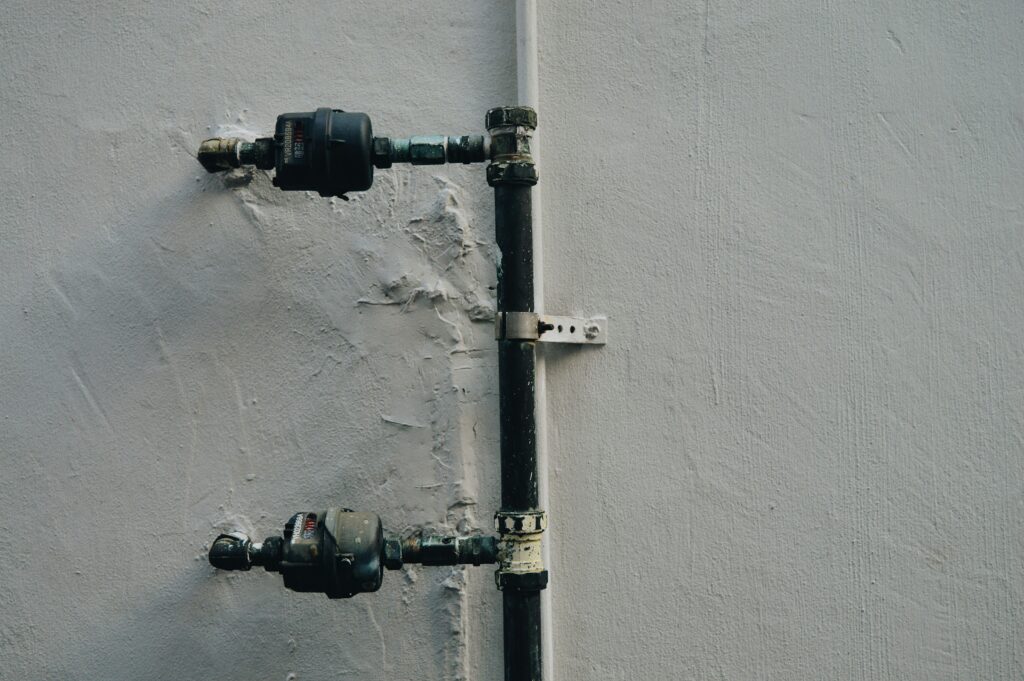
You’ve battled the blockage with drain snakes, baking soda volcanoes, or a high-pressure hose. Maybe it worked for a day—but now it’s back, angrier than before. Or worse, your efforts caused a new leak or overflow. You’re stuck in a frustrating, expensive loop.
- Why it’s serious:
Repeated clogs mean the problem is deep, structural, and beyond quick fixes: - Bellied pipes:A sagging section where waste collects like a clog magnet.
- Corrosion:Old pipes crumbling inward, catching debris.
- Severe scale:Mineral buildup narrowing pipes to a straw’s width.
- Root invasion:Hair-like roots regrowing after DIY cuts.
- Temporary fixes mask the real issue. This is when professionals use CCTV drain cameras to diagnose the hidden villain—saving you time, money, and the horror of sewage backup.
“If DIY fails, it’s not you—it’s the pipe. Stop battling symptoms; call someone who can find the source.”
When to Call the Drainage Pros: A Quick Guide
If your drains are constantly slow:
→ Skip the DIY drama.
→ Likely fix:Pros will blast blockages with high-pressure water jetting or remove invasive roots.
→ Check out our detailed guide on: Why you should hire a licensed plumber instead of DIY repairs
- If puddles stick around >24 hrs after rain:
→ Call urgently – this is serious.
→ Likely fix:Your stormwater system needs redesigning or resloping to stop flooding. - If you smell sewage or hear gurgling pipes:
→ Drop everything and call ASAP.
→ Likely fix:Relining cracked pipes or repairing broken gully traps to seal dangerous gases. - If new cracks appear in walls/paths:
→ Call a pro + get a structural check.
→ Likely fix:Installing subsoil drainage to stop water undermining your foundations.
Wrapping it up
Your drains won’t send an email when they’re failing – but they will give you these five glaring warnings. Spot them early, contact Prince Plumbing drainage experts, and save yourself a swampy, stinky, wallet-emptying disaster.
Because in the battle between your home and Mother Nature? Good drainage is the ultimate defence.
FAQs:
Q: Can tree roots really break pipes?
A: Absolutely. Gum trees, figs and bamboo are notorious. Roots exploit tiny cracks, then grow as thick as your arm – crushing pipes from within.
Q: Will my insurance cover drainage issues?
A: Only if damage is “sudden” (e.g., storm collapse). Gradual deterioration (like root intrusion) is rarely covered. Prevention is cheaper!
Q: How long does pipe relining last?
A: 50+ years! It’s a trenchless fix where a resin-coated liner is inserted into old pipes – no digging required.
Q: What’s the #1 thing I can do to protect my drains?
A: Annual CCTV inspections. Pros spot hairline cracks and root tips before they become emergencies.


