

You know that sound, right? You’re at the kitchen sink, scrubbing a pot, and suddenly you hear it: a low glug-glug-glug coming right up from the drain. It’s not the normal swish of water disappearing. It’s a proper, wet gurgle that makes you stop and think, “Well, that’s not right.”
Here’s the thing, mate – that noise isn’t just random. It’s your pipes trying to tell you something. It’s tempting to just turn the radio up and forget about it, and sometimes the sound does fade away. But most of the time, that gurgle is a little warning sign from your plumbing that something’s starting to clog up down there. Think of it like your house clearing its throat – a sure sign that something’s irritating the pipes.
So, let’s have a quick look at the key reasons of kitchen sink gurgling and what you can do, before that little gurgle turns into a much bigger headache (and a much bigger bill).
So, Why the Kitchen Sink Gurgling? It’s All About Air.
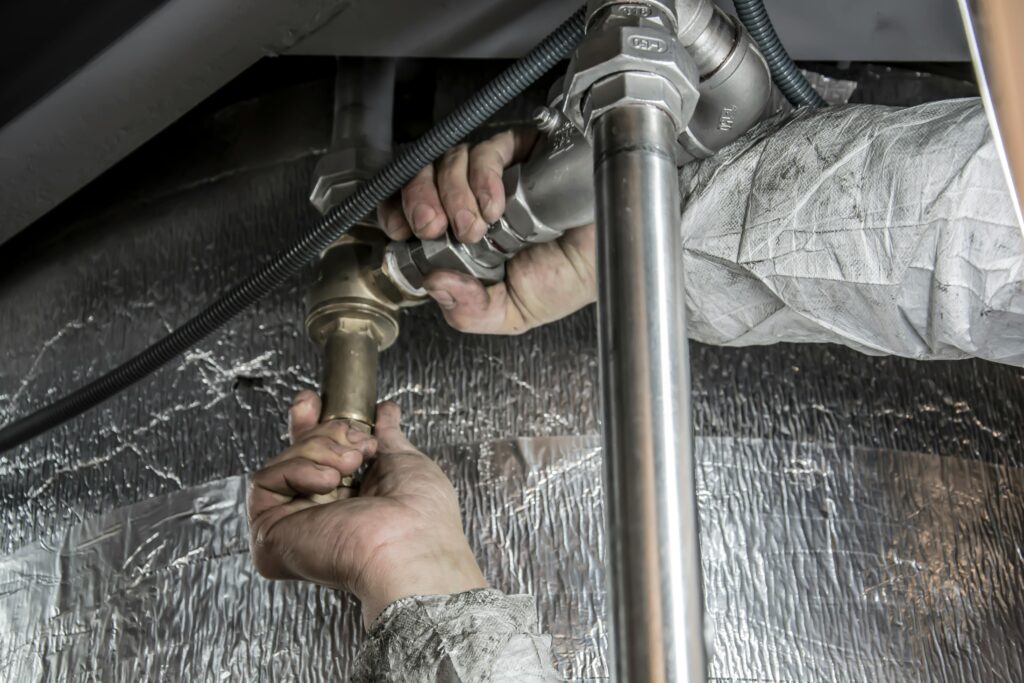
It sounds a bit funny, but your sink’s drain needs to breathe. It’s not just a hollow pipe full of water. For water to flow down smoothly, it needs a steady supply of air behind it.
How does it get that air? From a special pipe that pokes out of your roof, called a vent. This little guy’s only job is to let air into your plumbing system. When water rushes down your kitchen sink, it pushes air in front of it. The roof vent lets that air escape and sucks in fresh air behind the water, so everything flows down quietly and easily.
A gurgle is what happens when that vent pipe is blocked, or the drain itself is clogged. The water rushing down can’t get the air it needs, so it does the only thing it can – it sucks air back up through the easiest opening, which is your sink plughole. That glugging sound is just a bunch of bubbles fighting their way up through the water left in your drain. It’s your sink, gasping for air.
What’s Blocking the Air? Let’s Run Through the Usual Suspects.
1) A Partial Blockage in the Sink Drain
This is the most common place to start, especially for a kitchen sink gurgling. Over time, all that grease, coffee grounds, and food scraps (no matter how small you think they are!) build up on the walls of the pipe. Think of it like cholesterol in an artery. The pipe gets narrower and narrower.
When the pipe is partly blocked, water has to squeeze past the gunk. As it does, it creates a vacuum behind it because the air can’t follow it down properly. That vacuum gets filled by air being sucked back up through your plughole, hence the gurgle.
- The Tell-Tale Signs: The water might be draining slower than usual. You might also notice the gurgle happens in other nearby drains when you run your kitchen tap.
2) A Blocked Main Vent Pipe on Your Roof
Remember that vent pipe we talked about? It’s open to the great outdoors, and all sorts of things can find their way in.
- Leaves and twigs from overhanging trees.
- Bird nests (they love the warm, sheltered pipe).
- Even a build-up of frost or ice in a cold Ballarat winter.
If this vent is blocked, the entire plumbing system in your home is struggling to breathe. This is when the gurgling gets serious. You might hear the gurgle not just in the kitchen sink, but in the bathroom sink, shower, or even see bubbles in your toilet bowl when you empty the bath. That’s a classic sign the main vent is choked.
3) A Blocked Main Drain Line
This is the big one, and the one you really want to avoid. This is the large pipe that takes all the waste from your house out to the sewer. If this is blocked, you’ve got a major problem brewing.
When the main drain is blocked, all the air and wastewater from your house has nowhere to go. Trapped in pipes, the air tries to find some other exit way, and when you let water into kitchen sink, the air is forced up through other fixtures accompanied by gurgling noise.
- The Tell-Tale Signs: Multiple drains are simultaneously gurgling. You may notice horrid sewage smells wafting out from your drains. The scary little bubbling of your toilet water could be fact. If water begins to back up from a shower drain when one flushes the loo, cracking open the phone book for a plumber is in order.
What Can You Do About It? A Step-by-Step Guide
Step 1: The Simple Stuff (What You Can Try Yourself)
Before you panic, there are a few simple things you can try for a simple kitchen sink blockage.
- The Boiling Water Trick: Sometimes, a build-up of grease is the problem. Carefully pour a full kettle of boiling water down the drain. This can sometimes melt and flush away the grease. A word of warning: Don’t do this if you have PVC pipes, as super-hot water can soften them. If your pipes are old, it’s best to skip this.
- The Plunger Method: A good old-fashioned plunger can work wonders. Make sure you have enough water in the sink to cover the rubber cup of the plunger. Block the overflow hole (the little opening near the top of the sink) with a wet rag to get a good seal. Then, give it a series of firm, strong pumps for about 20 seconds. The pressure can often dislodge a shallow blockage.
- Check the U-Bend (P-Trap): If you’re a bit handy, you can place a bucket under the U-shaped pipe under your sink and unscrew it. This pipe is designed to hold water to block sewer gases, but it also catches gunk. You might find your blockage is right there.
Step 2: When to Put Tools Away: In Favor of the Pros
If the gurgling persists after doing the basics or you notice it in more than one drain, it’s time to call the pros.
- Why a Pro is Needed: The plumber has the tools to diagnose and fix the problem correctly: they can use a drain snake or high-pressure water jet to clear blockages down the pipe deep. For a blocked vent, they have long, flexible augers to clear it from the roof. Trying to do this yourself can be dangerous (roof work is risky!) and you might accidentally cause more damage.
FAQS
Q: Is a kitchen sink gurgling an emergency?
A: Not usually an immediate, call-the-plumber-at-3am emergency. But it is a warning sign you shouldn’t ignore. A small blockage is cheap and easy to fix. A full main drain blockage that causes sewage to back into your home is a massive and expensive problem. It’s best to act early.
Q: Are those supermarket chemical varieties good to use?
A: We really do not recommend that you. They are full of harsh acids that can corrode your old plumbing and cause leakages. They are also hazardous to the environment if they are splashed back on you. A plunger or a drain snake would be much safer and often more effective. Contacting a professional plumber will definitely help.
Q: The gurgle is heard only when the washing machine is used. Why?
A: Your washing machine can pump a huge volume of water very fast. This high surge usually reveals a partial blockage or a vent problem that you don’t notice with water coming out of a slow tap. It is giving you an unmistakable indication that your system is struggling to keep up.
Q: How do I go about preventing the blockage?
A: Be very good with what goes down your kitchen sink. Scrape plates; don’t pass food into the sink. No fats, oils, and grease down the drain; wipe the pan first with paper towels. Prevention a little bit will help save you a big headache (and lots of gurgling!) later on.
So the next time your kitchen sink gurgling, you will understand what it is trying to say. It’s not just some strange noise; it’s a plumbing cry for help. Listen to it, and you’ll save yourself a lot of trouble down the time.


