

Okay, let's talk about your water heater. It's sitting there in the garage, closet, or basement, quietly doing its job. You probably forget it exists—until the day you turn the shower knob and get nothing but icy water. Or maybe you hear a strange popping sound, like popcorn cooking, coming from the general direction of the tank. That’s your wake-up call. And trust me, it’s a call you don’t want to get.
The truth is, a little bit of love for your water heater can save you a world of hassle and a ton of money. Think of it like going to the dentist for a cleaning instead of waiting for a root canal. Good water heater maintenance is all about preventing the big, wallet-draining disasters before they happen. You don't need to be a handy person to do the basics. You just need to know what to look for and when to pick up the phone.
First Things First: The Annual Check-Up You Can Do Yourself
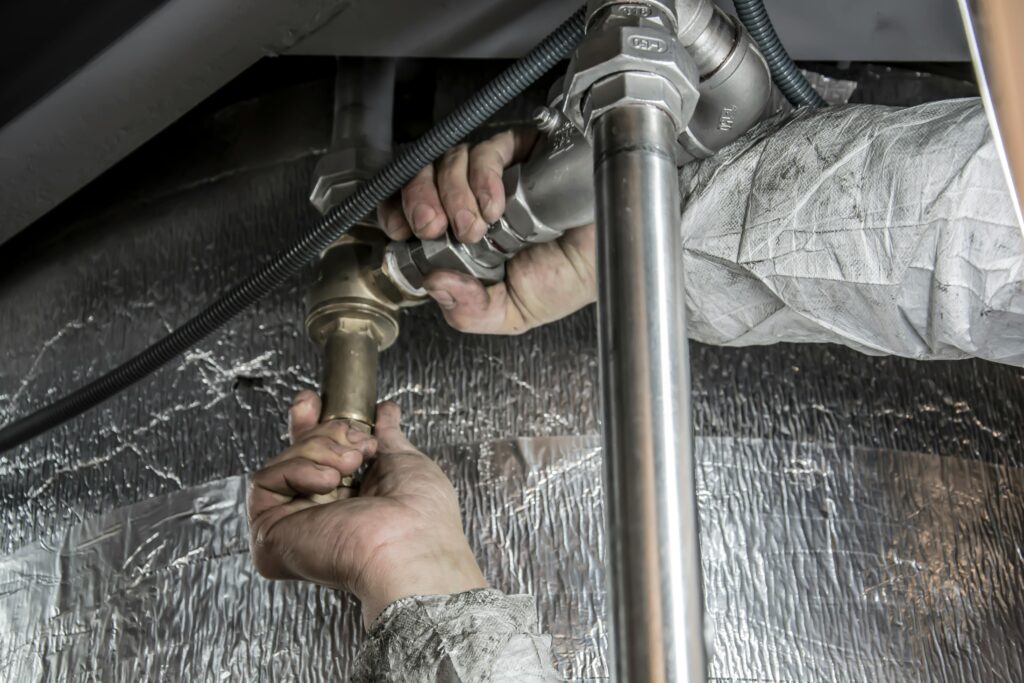
Once a year, maybe when you change your smoke alarm batteries, give your water heater a little attention. It takes maybe twenty minutes.
- The Clear Space Rule. Go look at your water heater right now. Is it surrounded by old paint cans, holiday decorations, and piles of who-knows-what? All that clutter is a fire hazard, especially for gas models. It also hides leaks until they become floods. Give your tank at least two feet of clear space all around. This isn’t just maintenance; it’s safety.
- The Leak Hunt. Get down on the floor and look at the base of the tank. See any rust, damp spots, or little puddles? Run your hand along the pipe connections at the top and the drain valve at the bottom. Any moisture? A small drip today is a lake on your floor tomorrow. If you see a leak you can’t easily tighten with a wrench, it’s time to call a professional.
- The Pressure Valve Test (Don’t Skip This!). This little lever on the side or top of your tank is its most important safety feature. It’s designed to blow off pressure if the tank gets too hot, basically keeping it from turning into a rocket. Once a year, flip that lever up and down a few times. You should hear a big whoosh of air or see some water spit out into the drain pipe. If it’s silent and nothing comes out, the valve is gummed up and dangerous. This is a definite sign you need a plumber in Salado TX to come replace it.
The Big Jobs: When to Roll Up Your Sleeves or Make the Call
Flushing the Sediment. This is the #1 thing you can do to make your heater last longer and run cheaper. All the sand and minerals in our water sink to the bottom of the tank and harden like concrete. Your burner or heating elements have to work overtime to heat through that gunk, wasting energy. That popping sound? That’s water trapped under the sediment layer, boiling and cracking like a hot griddle.
You can flush it yourself. Turn off the power (for electric) or the gas (for gas). Hook a garden hose to the drain valve at the bottom, run the other end to a floor drain or outside. Open the valve and let it rip until the water runs clear. Be ready for hot, nasty water. If you’ve never done it, or if the valve looks super rusty and you’re afraid to turn it, just call someone. A local plumber in Salado TX can do this in under an hour, and it’s worth every penny to have it done right.
The Mysterious Anode Rod. Inside every tank is a secret superhero called the anode rod. It’s a long metal stick that sacrifices itself to rust so your tank lining doesn’t. Once it’s completely eaten away, your tank starts rusting from the inside out, and that’s a death sentence. Checking it means shutting off everything, draining some water, and unscrewing a big plug on the top of the tank to pull it out.
If it looks less than half an inch thick or is coated in crusty white stuff, it needs swapping. This is where a lot of folks throw in the towel and call for help. It can be a tough, messy job if the rod hasn’t been touched in ten years. Getting a pro to handle this part of your water heater maintenance is smart, because a new rod can add years to your tank’s life.
Listen Up – Your Water Heater is Talking to You
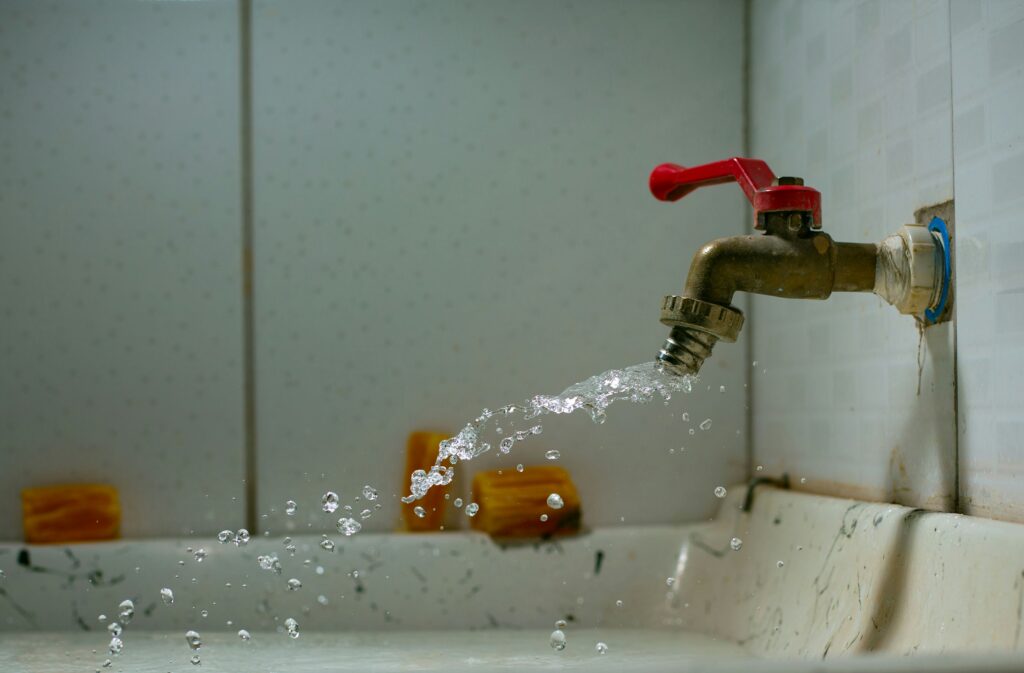
Here’s the thing: your water heater isn’t silent. With a little awareness, the device is in fact constantly communicating with you through subtle means. The vast majority of people continuously overlook these signals until they are turned into a shout. Learning the meanings of such sounds and signs is equivalent to acquiring a little language—it can spare you from a huge trouble .
The rumbling or popping noise that resembles stones tumbling around inside the tank? That is your most obvious sign. The tank is tacitly asking, "Please, flush me out!" and the sediment at the bottom is getting hot, cracking and losing its stability. Today it is not an emergency but it is a clear sign to call on it for the next maintenance.
Water with a rusty appearance or unpleasant odor only from the hot tap? Do not rush to put the blame on the municipal water supply. Generally, this indicates that the tank is suffering from corrosion on the inside or that bacteria are multiplying in there. In both cases, professionals should be called to take a look.
Cold water is running out quicker than usual? All of a sudden, you are getting cold showers in the middle of shampooing your hair. This may be due to one of the following reasons: a defective heating element, a burner that is clogged with sediment or simply your family has outgrown the size of the tank. An experienced technician will easily identify the exact cause.
Is there a wet spot on the ground near the water heater? To begin with, see if it is only a loose pipe connection that you can easily resolve by tightening it. If the leak appears to be coming from the tank, that is very serious. It usually indicates that the steel has corroded completely. Consider this the final encore. You’ll want to start looking for a replacement before it lets go completely.
The Real Takeaway: A Little Attention Prevents a Disaster
At its heart, real water heater maintenance is simple. It’s about spending a few minutes now so you’re not forced to spend thousands later. The DIY basics—keeping the area clear, looking for drips, testing that pressure valve—give you incredible peace of mind for almost no cost.
But be smart about your own limits. Jobs like a full tank flush or swapping out that anode rod can be messy and tricky. There’s absolutely no shame in calling a skilled plumber in Salado TX to handle it. They’ll have it done safely and correctly in one short visit, and you can be sure it’s done right.
You count on hot water every day. So this weekend, maybe after your coffee, take five minutes to go listen to your tank and glance around its base. Your future self—enjoying a long, hot shower in a dry basement—will be so grateful you did.
Hearing a strange noise or spotting a drip? Trust your gut and contact Prince plumbing your trusted local pro. That one quick service call could be all that stands between you and a cold, costly mess.


